


Blog: facade advice and flexible stone
Practical articles on cladding facades with flexible stone: choosing a texture, installation, insulation, cost and common mistakes.
 News
News
29.09.2026
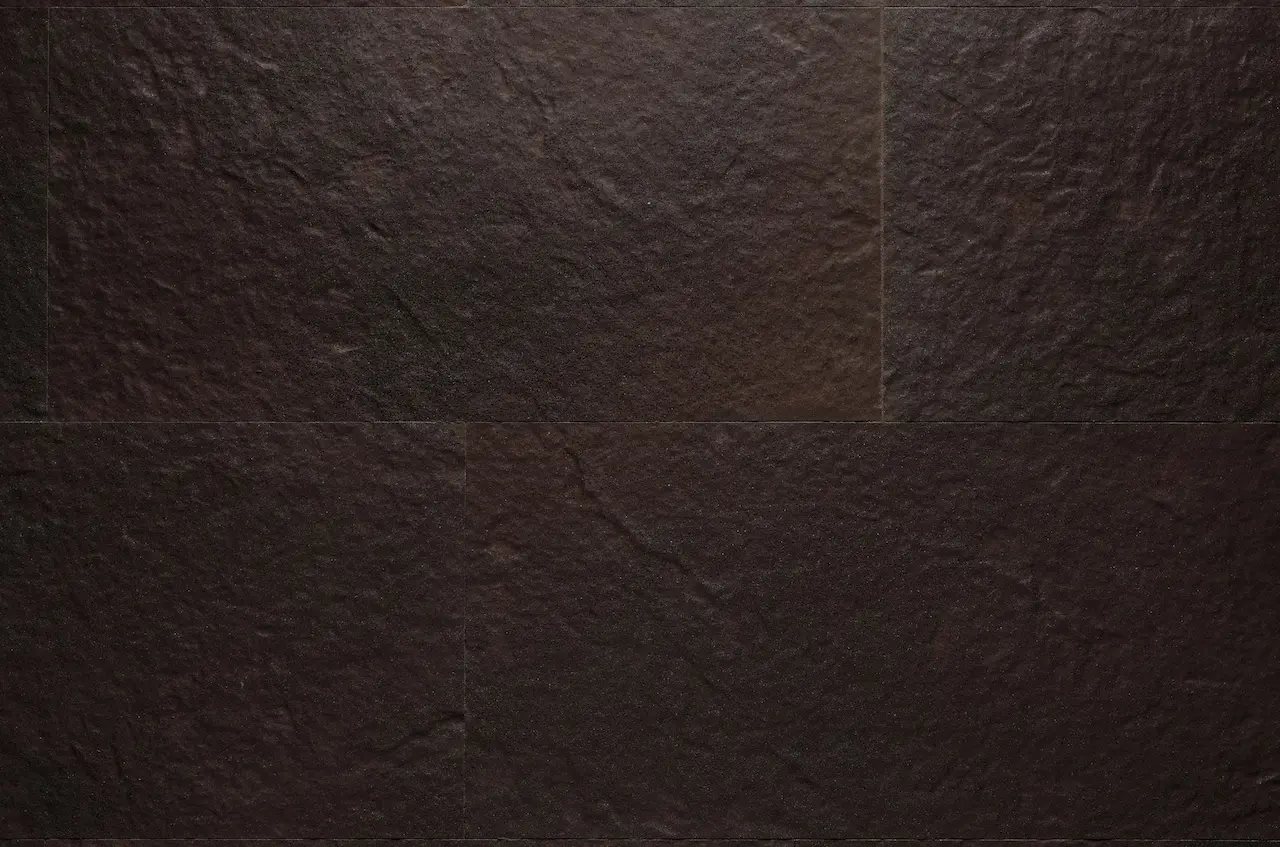
R07 Chocolate Rock: dark brown stone for a facade with warm depth
Some shades immediately make architecture feel more welcoming. R07 Chocolate Rock is a dark brown stone with black flecks: solid, warm and expressive at once. Where it looks refined rather than heavy, what to pair it with, how it works as an accent, indoors and on an insulated facade.
Read more
 News
News
29.09.2026
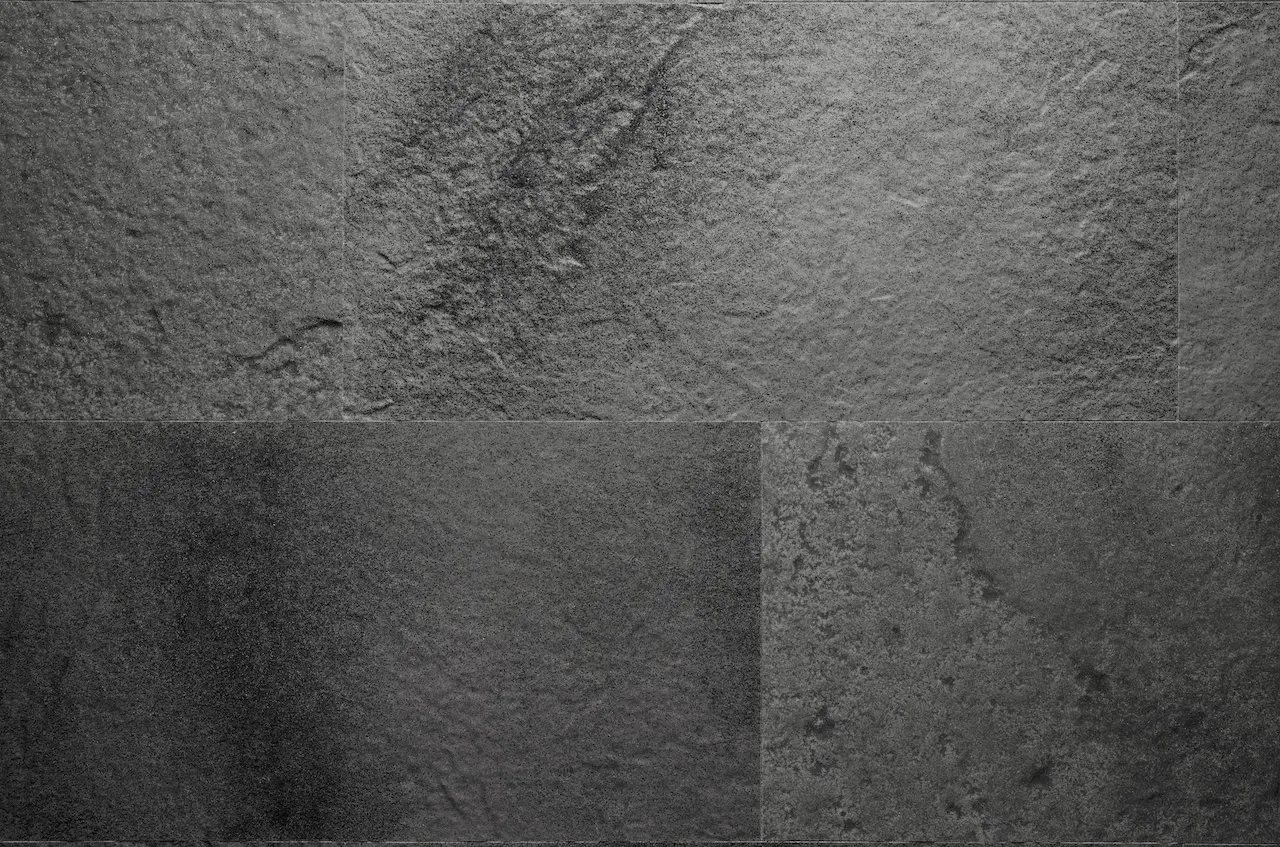
R05 Gray Cold Rock: a complex grey shade for a facade with depth and character
Some grey shades work only as a backdrop; others create an architectural mood on their own. R05 Gray Cold Rock is the second kind: a deep, layered grey with white and black mineral flecks. How it changes with the light, where it creates contrast, how it works indoors and on an insulated facade.
Read more
 News
News
29.09.2026
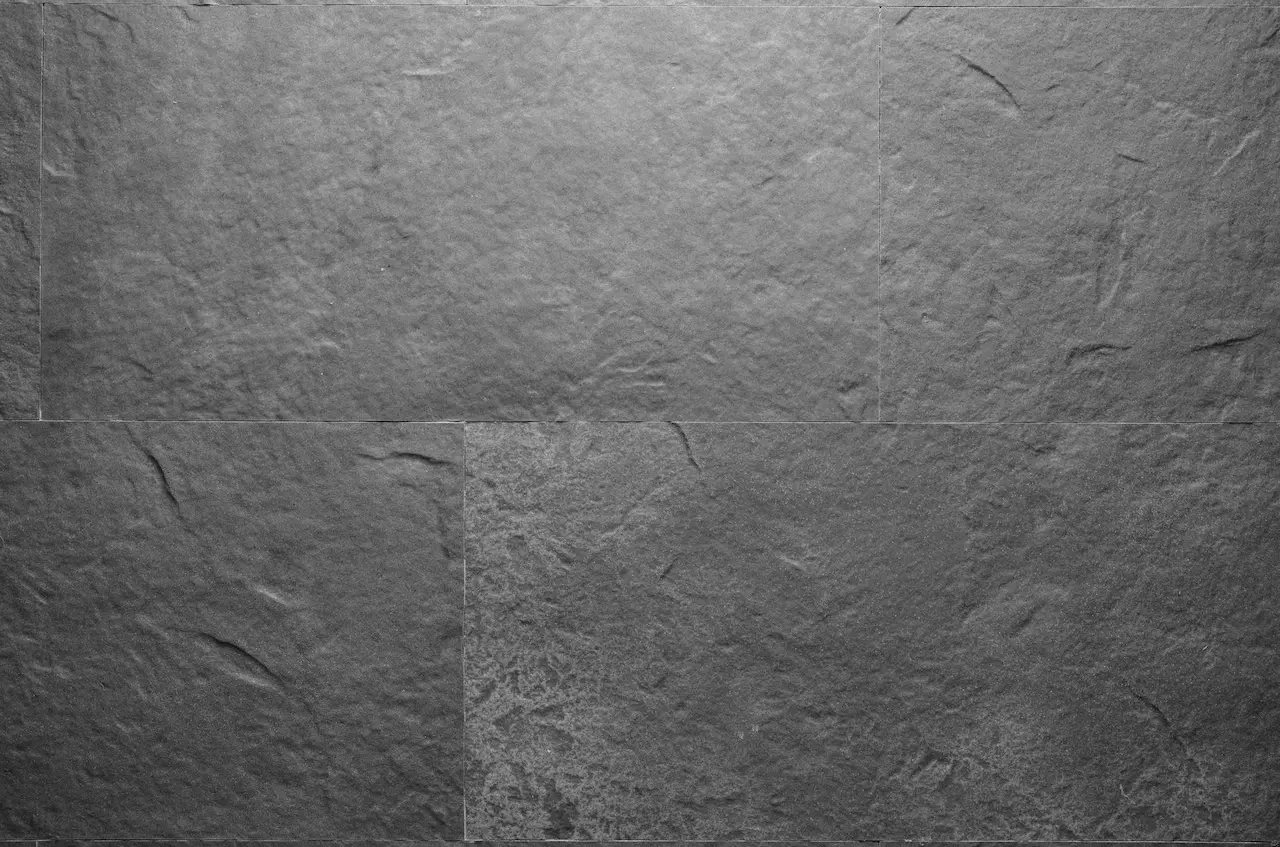
R04 Cerro-Torre: grey stone for architecture defined by lines, shadows and contrast
Grey is chosen for its versatility, but the strength of R04 Cerro-Torre is the combination of a cool grey tone with a pronounced stone surface. How it works on large surfaces, what to pair it with, how to zone a facade with one material and where to use it indoors and on an insulated facade.
Read more
 News
News
29.09.2026
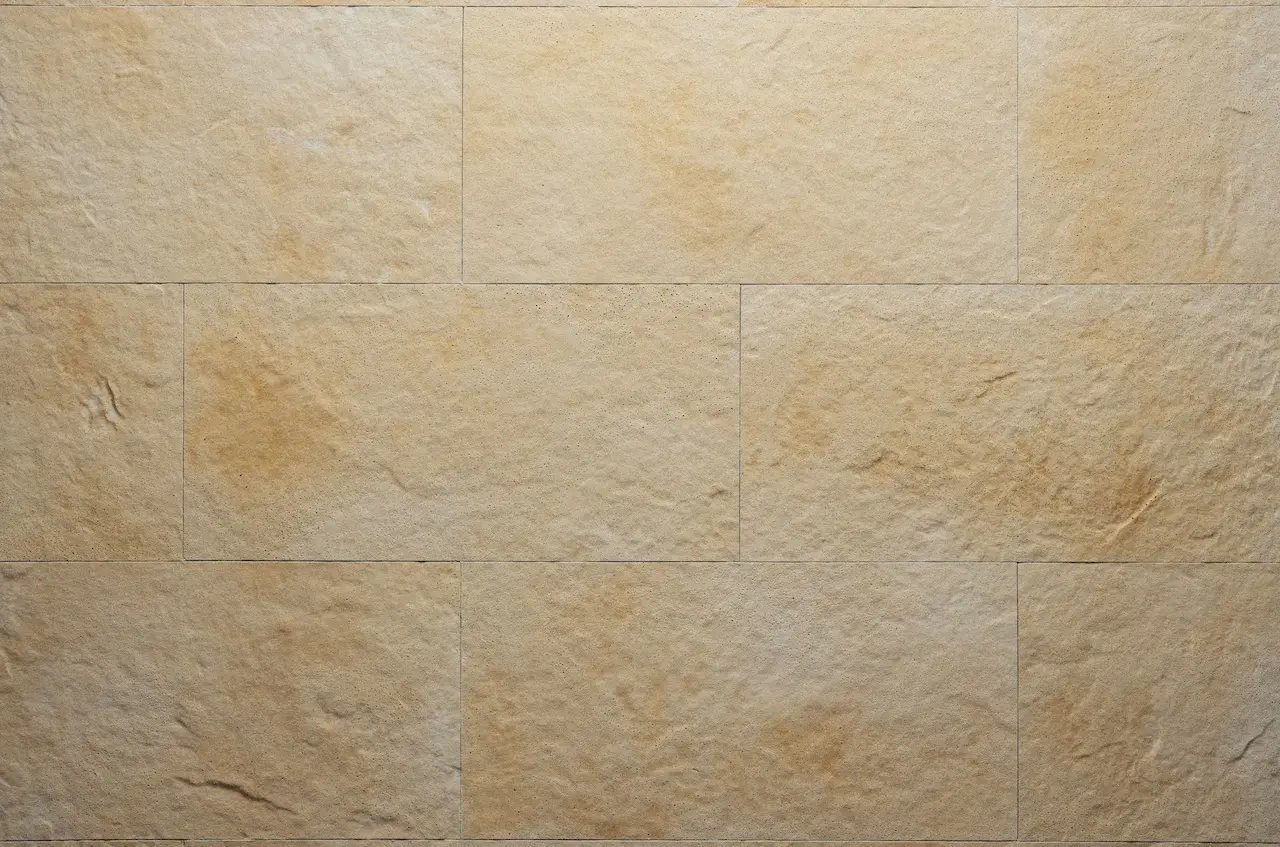
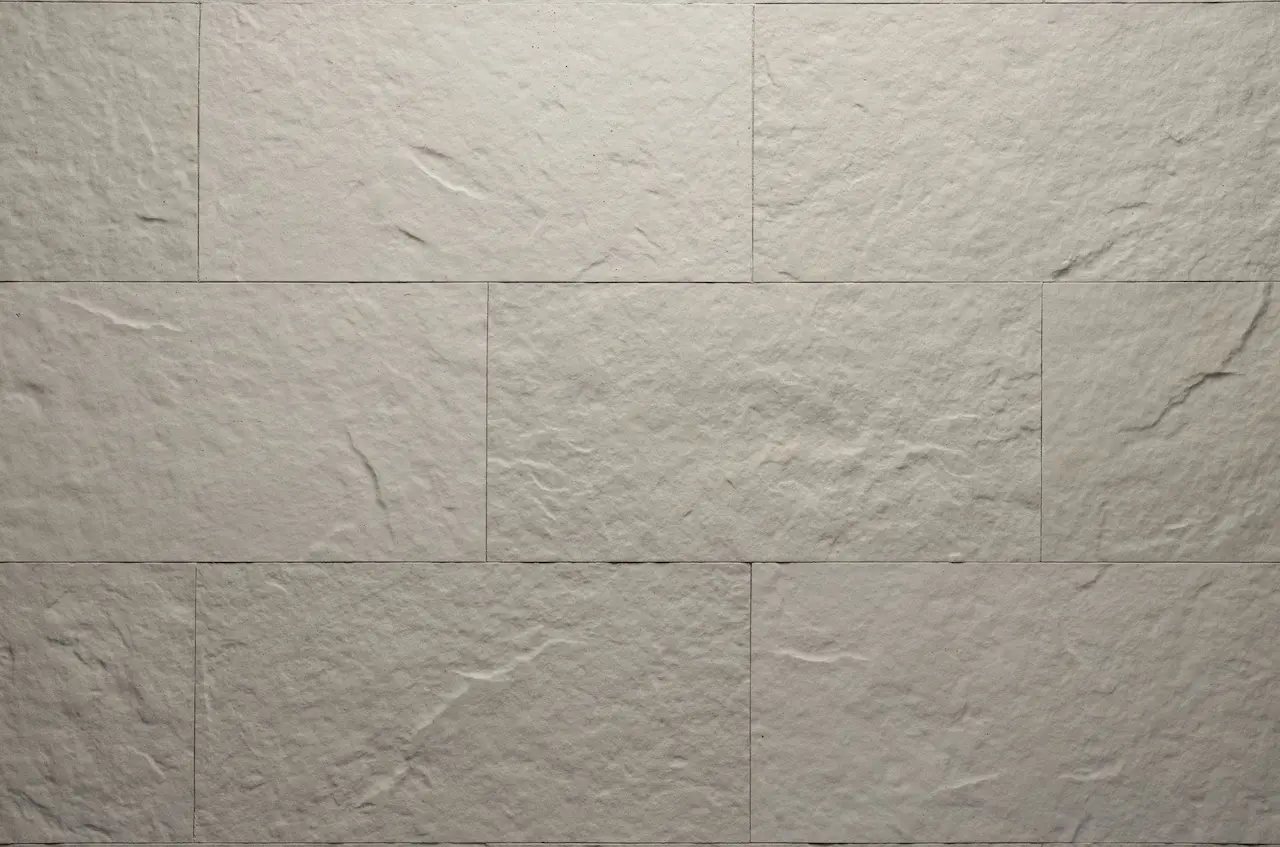
R03 El Arabia: warm sand-coloured stone with a southern character
Not every facade finish has to look strict and graphic. R03 El Arabia is a sandy-beige travertine with a subtle warm hue for Mediterranean-style architecture. Where it belongs, what to pair it with, how it works indoors and on an insulated facade.
Read more
 News
News
29.09.2026
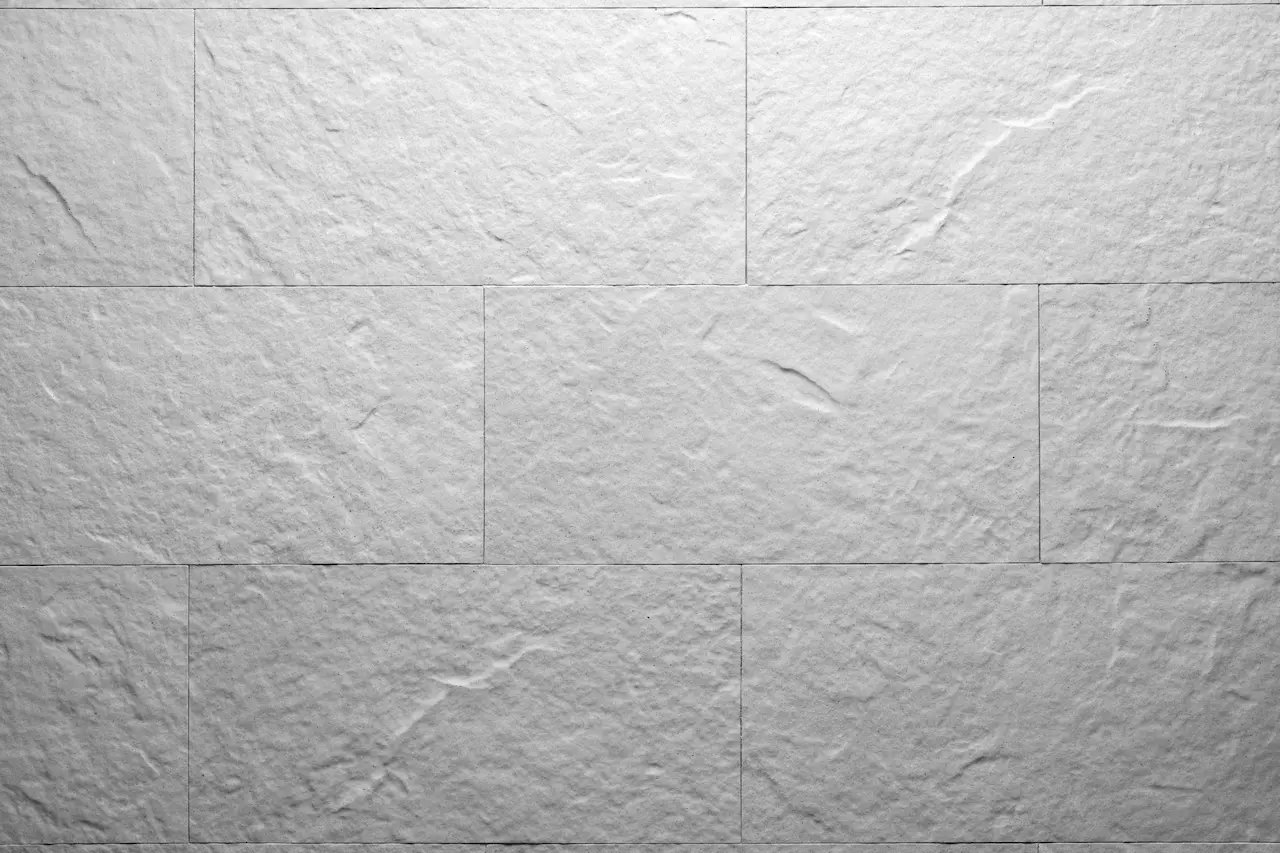
R02 Tender Rock: warm architecture without excessive decoration
Some facades are built on contrast; others make their impression through calm. R02 Tender Rock belongs to the second kind: a soft beige tone and a natural stone relief. What to pair it with, how it changes with the light, where to use it on the whole house and where as an accent, and how it works indoors and on an insulated facade.
Read more
 News
News
29.09.2026
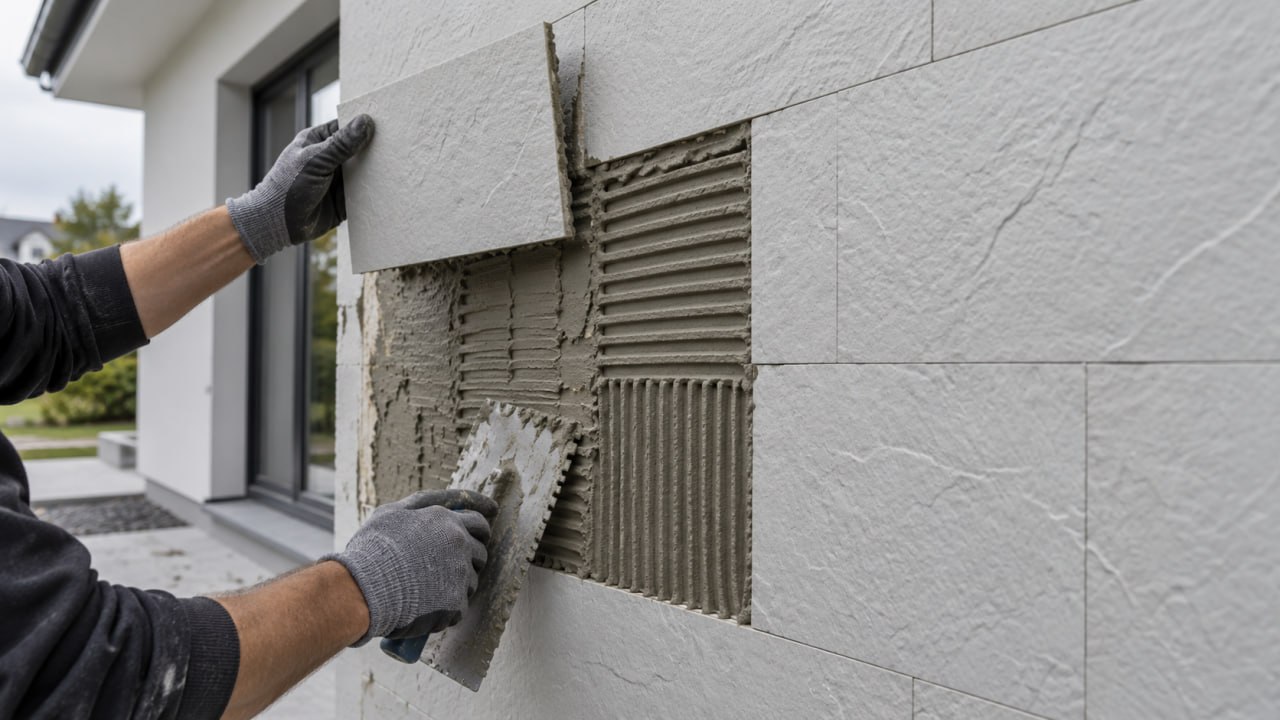
R01 Mont Blanc: the white flexible stone where texture does the talking
A white facade does not have to be flat. With R01 Mont Blanc the effect comes not from colour but from a natural stone relief that changes with the light. What to pair it with, where to use it on the whole house and where as an accent, and how it works indoors and on an insulated facade.
Read more
 News
News
29.09.2026
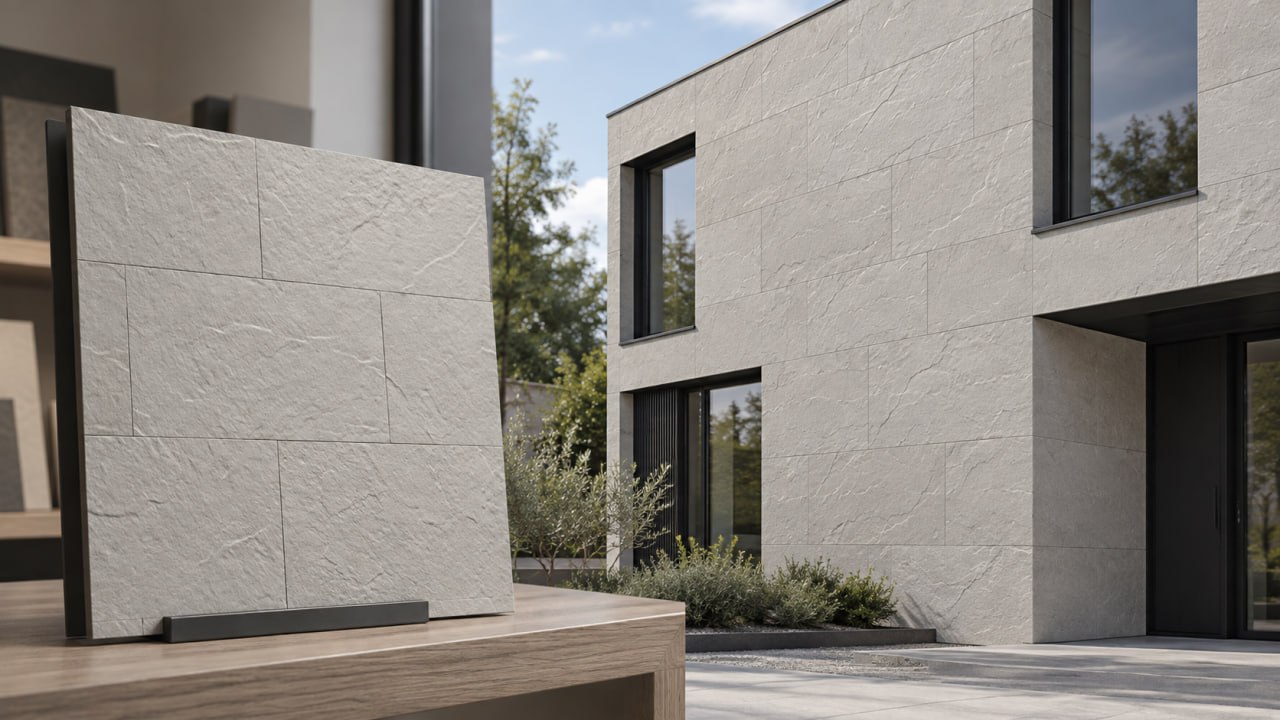
Adhesive layer 4 mm or 6 mm under flexible tile: what really matters
The adhesive under flexible tile is not just a filler. Too thin leaves voids; too thick does not level the wall, it only hides the problem. When 4 mm, when 6 mm, why uniformity matters more than the number, and what to check before cladding the whole facade.
Read more
 News
News
28.09.2026
Why a showroom sample and a finished facade look different
The material does not change; the scale, lighting, viewing distance and neighbouring colours do. Why a small sample and a whole wall are two different visual scenarios, and how to choose cladding so the result matches your expectations.
Read more
 News
News
25.09.2026
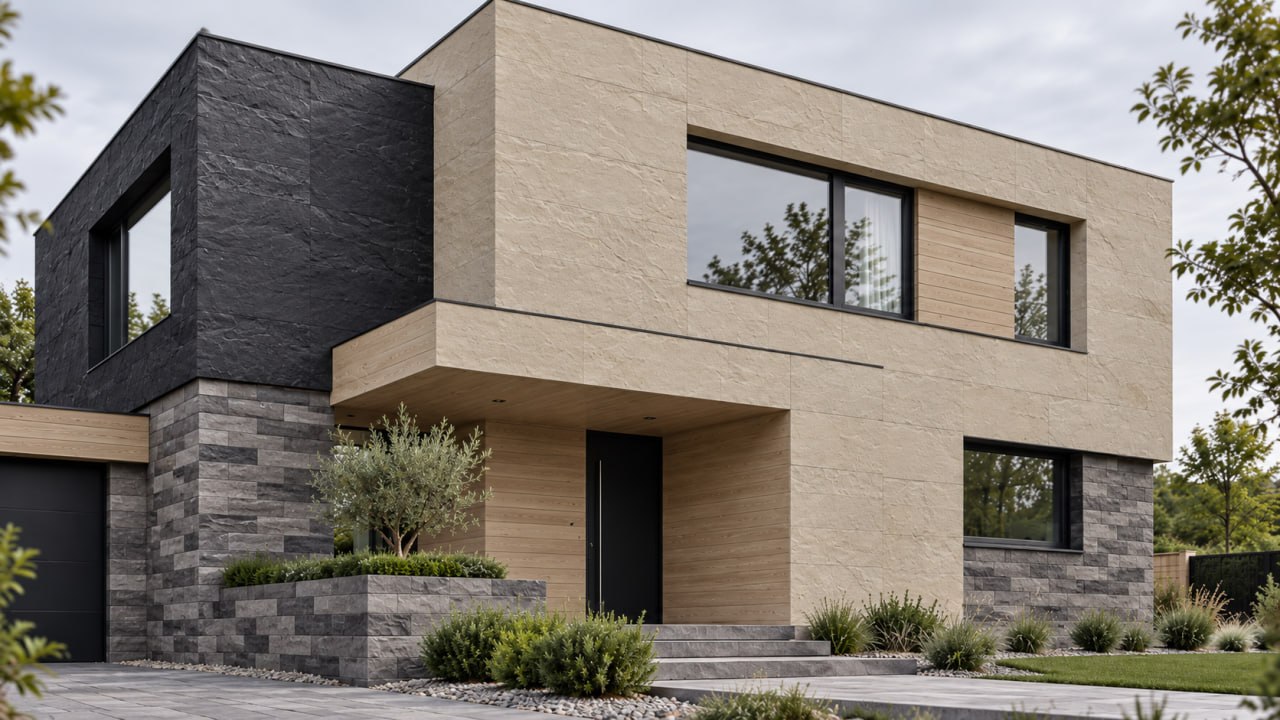
How to combine stone, brick, slate and wood on a facade
Four textures on one house are not a problem as long as they have a hierarchy: one primary, one secondary, small accents. How to distribute stone, brick, slate and wood, choose the colour palette and plan the transitions so the facade reads as one whole.
Read more
 News
News
24.09.2026
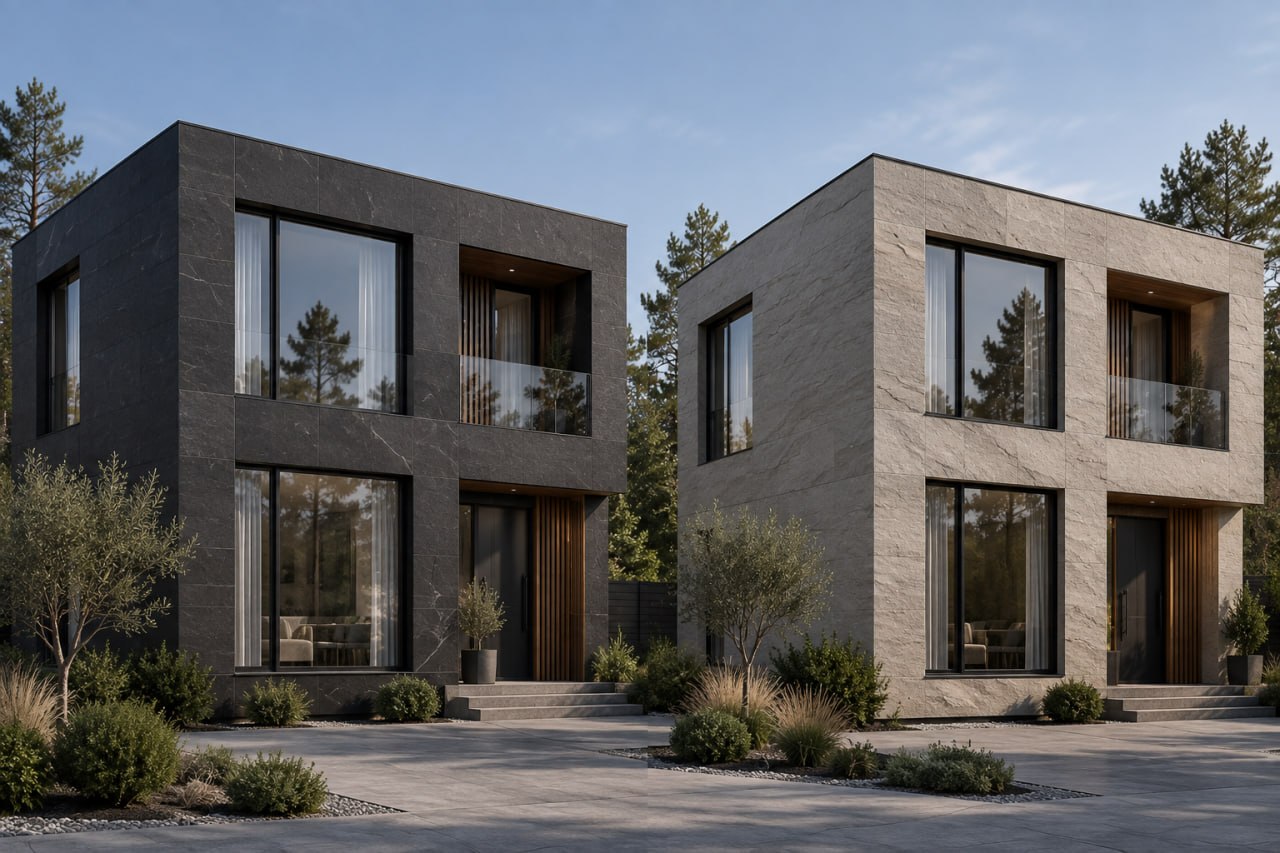
What happens to a facade after 10 years: flexible stone or porcelain stoneware
A new facade always looks good. The difference between flexible stone and porcelain stoneware shows after hundreds of heating and cooling cycles, rain and frost: weight, colour, water, repairs, complex shapes. What 10 years reveal, and what to compare before choosing.
Read more
 News
News
23.09.2026
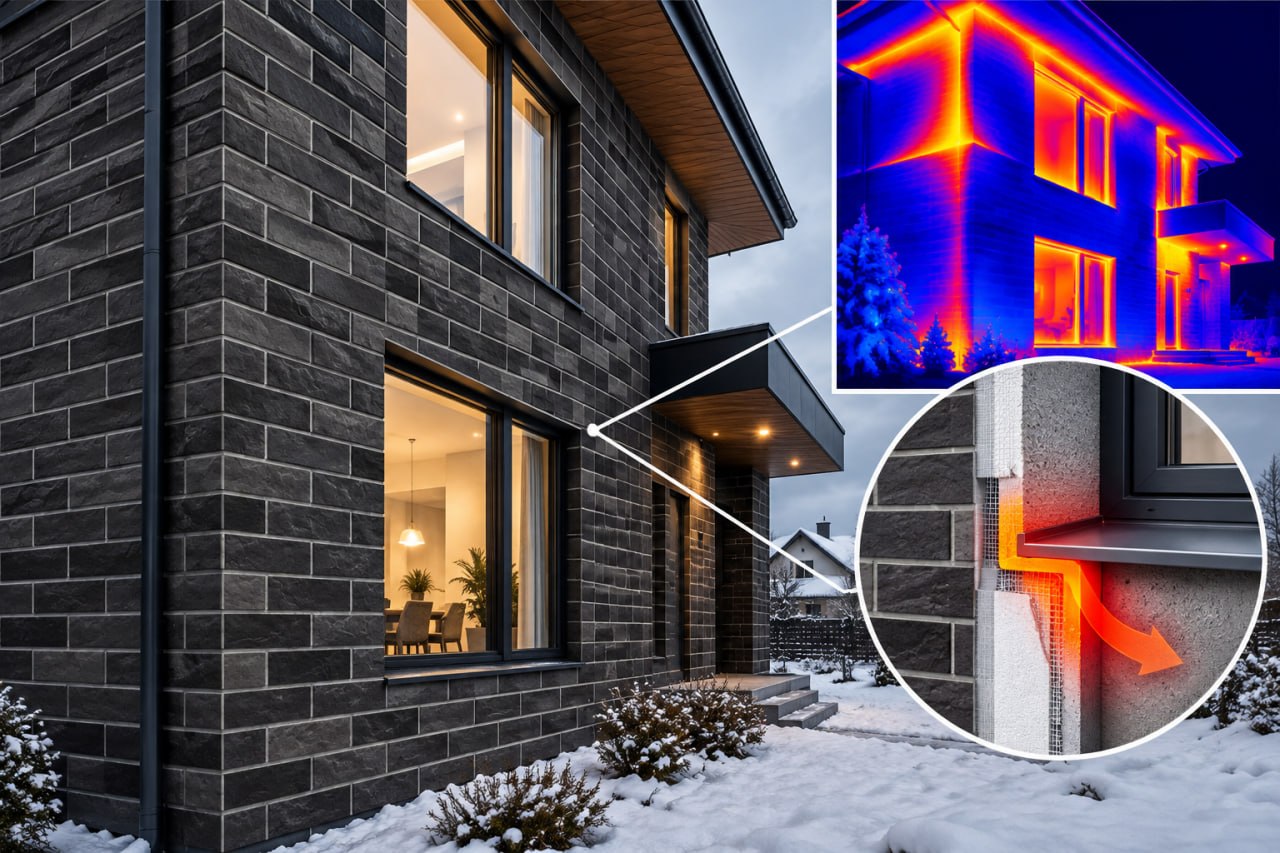
Thermal bridges that can compromise your home's insulation
Expensive insulation does not help if heat escapes through corners, reveals, the plinth, board joints and fasteners. What a thermal bridge is, where it appears most often, how to see it with a thermal camera, and what to check before installation starts.
Read more
 News
News
21.09.2026
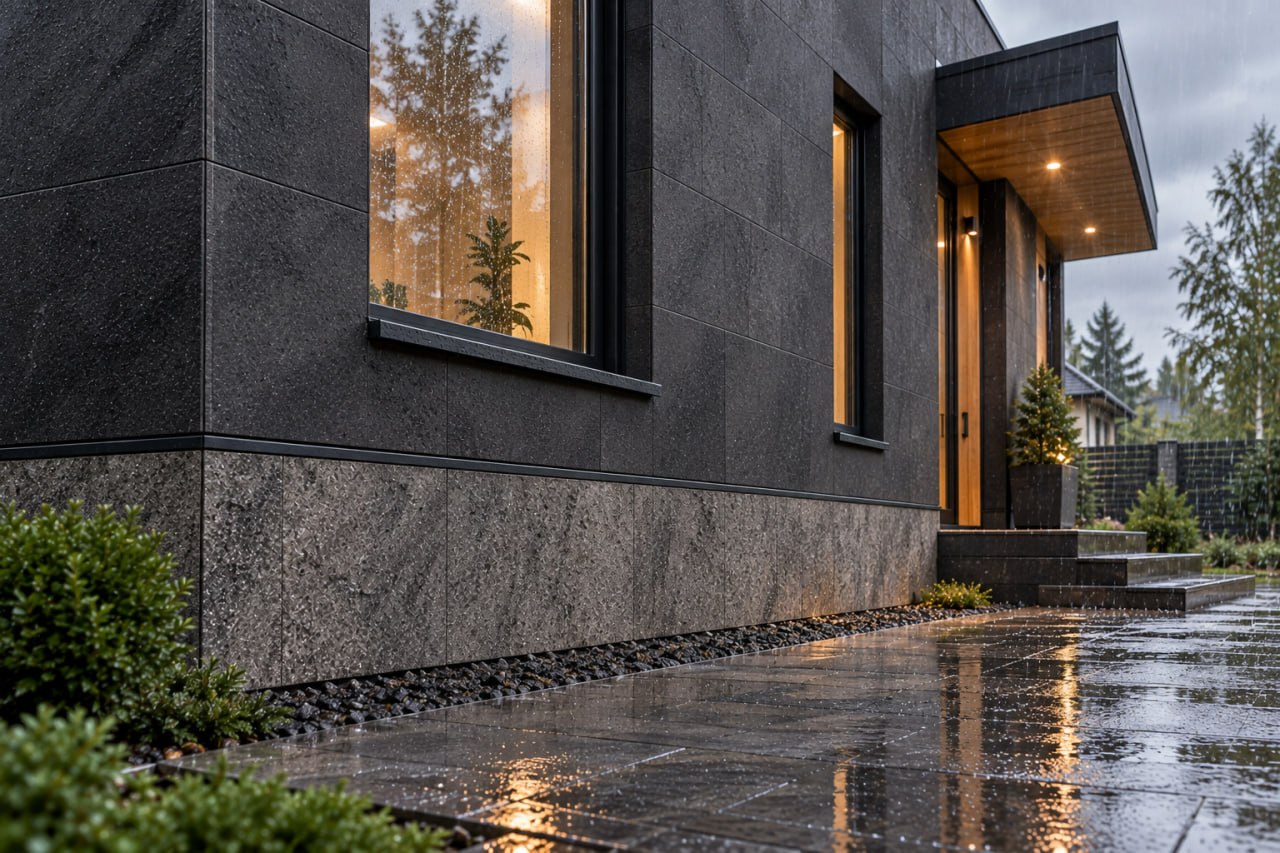
Why the plinth of a house ages the fastest
The plinth gets everything at once: splashes from walkways, meltwater, freeze-thaw cycles, dirt and accidental knocks. Why the lowest part of the facade loses its looks first, and what makes a plinth finish last: texture, colour, drainage and a proper transition to the wall.
Read more