


TB01 Milky Travertine: milky KORDEKO travertine — elegant stone masonry for modern architecture
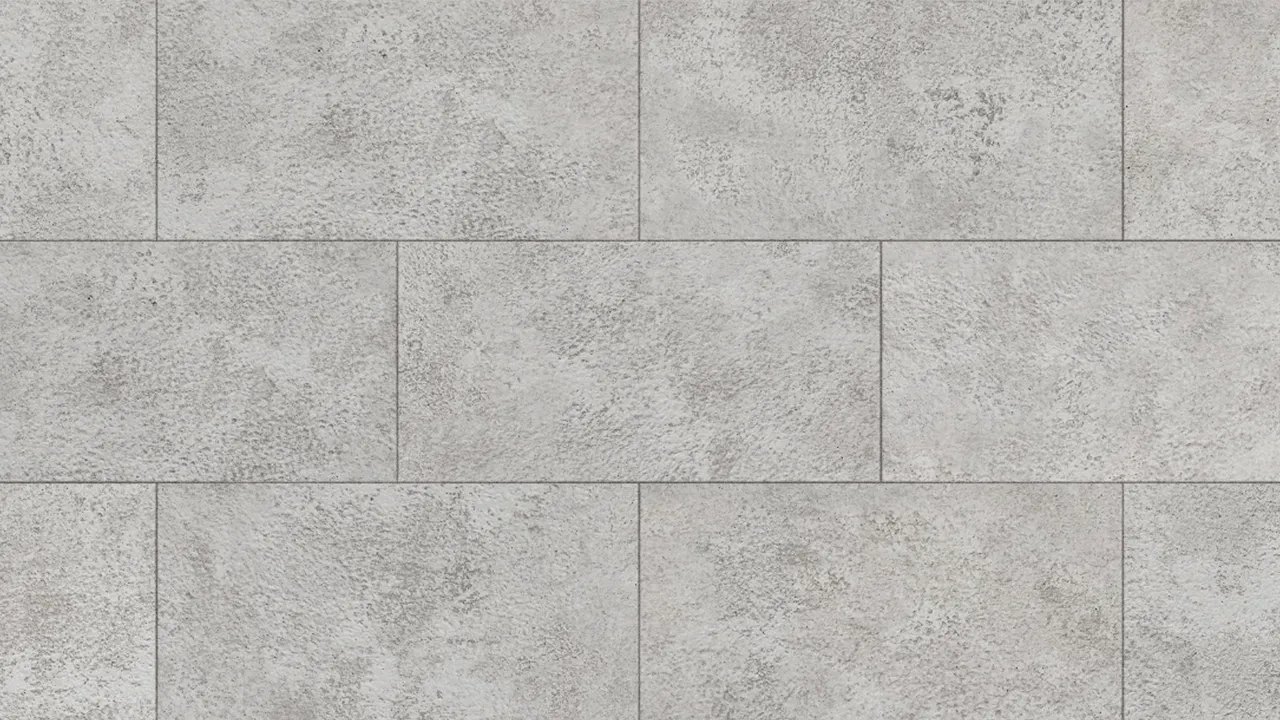
Natural travertine has been used for centuries in the architecture of palaces, public buildings, and Mediterranean villas. Today, its characteristic porous surface and calm color palette are once again in demand, but in very different projects: minimalist homes, modern residential complexes, hotels, and interiors.
TB01 Milky Travertine by KORDEKO reproduces the aesthetics of light travertine in a flexible cladding tile format. Milky white and light gray shades, an irregular mineral surface, and elongated rectangular modules create masonry with the character of natural stone.
The main feature of this model is the combination of a light palette and a fine mottled texture, which keeps the surface interesting even without pronounced contrasting relief.
Travertine without massive stone blocks
Natural travertine is valued for its recognizable structure, soft color palette, and ability to combine harmoniously with various architectural materials.
However, massive stone slabs require an appropriate substrate, special fixings, and professional processing.
TB01 Milky Travertine makes it possible to reproduce a similar visual effect in a lighter format.
The presented sample shows small grayish mineral areas distributed unevenly across the milky surface. They resemble the natural variation of travertine and create a calm pattern without abrupt color transitions.
The elongated modules, arranged with an offset, form a horizontal rhythm and allow the model to be used on large facade surfaces.
Milky stone and the architecture of a modern villa
TB01 is especially interesting in projects where the architecture is based on large light-colored volumes, open terraces, and panoramic glazing.
Imagine a two-story villa with a flat roof, large windows, and a spacious terrace. If Milky Travertine is used on the main facade surfaces, the building acquires a calm stone character without excessive decoration.
The milky shade combines well with graphite window frames, natural wood, glass railings, and light-colored concrete.
At the same time, the travertine texture does not require strong contrast. An entirely light architectural composition with subtle differences between material shades can look equally expressive.
For example, TB01 can be combined with white plaster, light beige architectural elements, and neutral natural stone.
How to choose cladding that will not look dated in a few years is covered in the article a facade that won’t date in 5–10 years.
Why fine variation is especially important on a light facade
A completely white surface can look too uniform under certain lighting conditions.
Milky Travertine creates a different effect.
Small grayish inclusions and differences in color intensity are distributed across the entire surface, giving the masonry additional depth.
In natural daylight, these transitions appear quite soft. Up close, the granular structure becomes more noticeable, while from a distance the surface is perceived as a light stone wall.
TB01 is especially effective on large architectural volumes, where the fine texture merges into a unified composition.
Light stone masonry for hotels and public spaces
Milky travertine is well suited to architecture where a sense of openness and visual lightness is important.
For this reason, TB01 can be used not only for private homes but also for hotels, restaurants, office buildings, and modern residential complexes.
For example, in a hotel project, light masonry can be used around the main entrance, on columns, and on exterior walls near the terrace.
In a restaurant, Milky Travertine can form the basis of a calm architectural composition, especially when complemented by natural wood and large glass surfaces.
For residential complexes, an interesting solution is to use TB01 on ground floors, entrance areas, and individual facade volumes.
How to choose the right joint color for Milky Travertine
In the presented TB01 sample, the boundaries between individual modules are quite thin and low-contrast.
As a result, attention is focused on the travertine texture itself rather than on the geometric grid of the masonry.
When selecting the installation compound and joint finish, it is important to preserve this effect.
Light gray joints can emphasize the module layout, while milky shades or tones close to the main material create a more continuous surface.
The final choice depends on the architectural concept and the desired degree of contrast.
Before cladding a large area, it is advisable to prepare a small sample with the selected joint option and evaluate it in natural light.
TB01 in the interior: natural texture instead of a smooth wall
Light travertine has long been used in modern interiors. Its calm color palette combines well with natural materials and helps create spaces without excessive decoration.
TB01 Milky Travertine can be used to clad accent walls, stair halls, columns, and reception areas.
In a living room, this texture looks particularly interesting next to wooden furniture, light textiles, and metal details.
In hotel interiors, Milky Travertine can be used on the walls of public areas, where the stone surface becomes part of the overall architectural concept.
Thanks to its light palette, the material does not create the impression of heavy cladding even on fairly large surfaces.
Flexible travertine as an alternative to heavy cladding
Unlike massive stone slabs, KORDEKO Flexible Tile (PletaFlex) is a thin mineral-polymer material with a reinforcing membrane.
Its low weight and flexibility allow this cladding to be used on prepared facade and interior surfaces, as well as on individual complex architectural elements.
When installing Milky Travertine, the characteristics of the light-colored surface must be taken into account. For such shades, a suitable white-cement-based adhesive is recommended.
Particular attention should be paid to clean installation, even application of the adhesive, and timely removal of residue from the face of the material.
Milky travertine in a facade insulation system
Light stone architecture can also be combined with modern thermal insulation systems.
Properly designed Facade Insulation provides the required thermal protection for exterior walls, while TB01 Milky Travertine can be used as the decorative finish in a compatible system.
The general requirements for external thermal insulation composite systems (ETICS) are set out in the European assessment documents published by EOTA.
The requirements for substrate preparation, reinforcement, adhesive composition, and execution of facade junctions must be observed.
This approach makes it possible to achieve the appearance of light travertine masonry without installing massive natural stone slabs.
Milky Travertine: light architecture with the character of natural stone
TB01 combines a soft milky palette, delicate mineral variation, and the clear geometry of horizontal masonry.
This model is especially interesting for projects that seek to preserve the visual lightness of the building while giving the facade the expressiveness of a natural material.
Milky Travertine makes it possible to create calm architectural compositions in which texture, proportions, and a harmonious combination of light shades play the leading role.
Frequently asked questions
Why does fine variation matter on a light facade?
Which joint colour should you choose for TB01?
How does flexible travertine differ from natural slabs?
Need advice on your facade?
- Get a free consultation for your project
- Find out which material suits your facade
- We'll answer all your questions and help you choose