


TB06 Latte Travertine: beige flexible travertine KORDEKO — architecture in latte shades
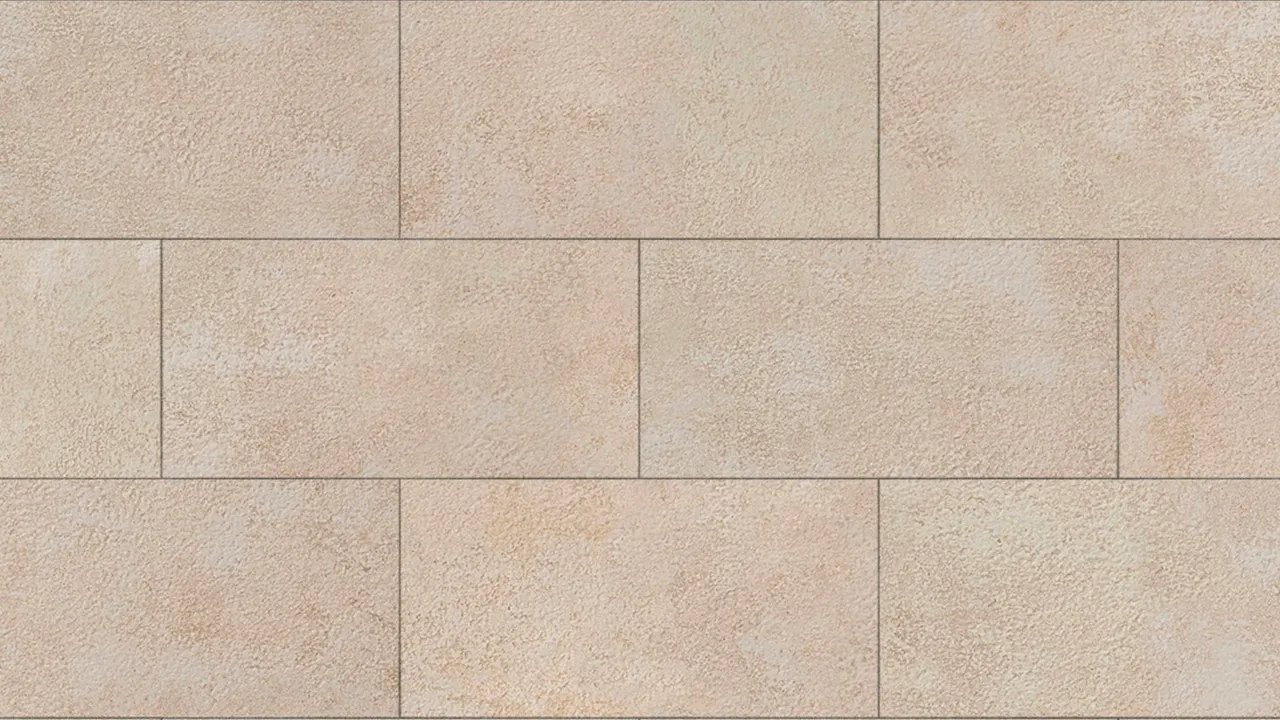
There are shades that make a building feel welcoming even before a person crosses its threshold. They do not attract attention with sharp contrast, but create a sense of warmth, calm, and harmony. This is exactly the character of TB06 Latte Travertine — KORDEKO flexible tile with a delicate beige-cream palette and the texture of natural travertine.
The model combines shades of latte, light sandstone, and soft beige stone. Fine mineral variation creates a delicate pattern, while rectangular modules laid with an offset give the cladding the character of neat stone masonry.
Latte Travertine is especially interesting for architecture where natural materials, a calm color palette, and expressiveness without excessive decoration are important.
Latte color: why intermediate shades are so interesting in architecture
Facade design often comes down to two opposite solutions: making the building almost white or using rich dark cladding.
However, between them lies an entire palette of soft natural shades that makes it possible to create more complex compositions.
TB06 Latte Travertine belongs precisely to this color category. Its cream-beige shade is light enough not to make the architecture feel heavy, while still having noticeable warmth.
It interacts especially interestingly with its surroundings. Next to a green garden, the surface takes on a more natural character; with light stone paving, it forms a unified composition; and combined with dark window frames, it becomes more contemporary.
This shade allows the architecture to blend harmoniously into its surroundings without losing its own individuality.
A travertine texture that reveals itself up close
One of the features of TB06 is its fine, irregular surface pattern.
From a distance, the masonry appears fairly uniform. Up close, however, small mineral areas, differences in shade intensity, and a characteristic graininess reminiscent of natural travertine become visible.
This makes it possible to use Latte Travertine on large facade surfaces without creating a sense of excessive decoration.
In diffused daylight, the surface looks soft and calm. Side lighting makes the fine texture details more visible, while differences between adjacent modules give the masonry additional depth.
As a result, expressiveness is created not by sharp colors, but by the material’s natural variation.
A modern villa in beige shades: how to avoid monotony
Imagine a modern country house with large panoramic windows, an open terrace, and several rectangular architectural volumes.
If all the walls are finished in one smooth beige color, the building may look too uniform.
Latte Travertine solves this issue through texture.
Elongated modules form a horizontal pattern, while slight differences between shades create a lively surface.
For such a project, TB06 can be used on the main facade walls, while individual architectural volumes can be complemented with lighter plaster or natural wood.
How to choose cladding that will not look dated in a few years is covered in the article a facade that won’t date in 5–10 years.
This combination looks especially interesting on houses with flat roofs and large glass surfaces.
Combining Latte Travertine with wood, metal, and light stone
The beige-cream palette of TB06 allows the material to be used in a wide variety of architectural compositions.
Next to light wood, Latte Travertine forms a soft natural palette. Dark brown elements make the facade visually richer, while graphite window frames create a striking contrast.
For modern homes, an interesting solution is to combine beige masonry with black metal and glass.
In more traditional architecture, TB06 can be complemented with white cornices, light window surrounds, and decorative columns.
At the same time, it is advisable to limit the number of similar beige shades if the differences between them are not sufficiently noticeable. Otherwise, individual materials may visually merge and the architectural composition may lose clarity.
Where Latte Travertine is especially effective
TB06 is suitable for more than just cladding the main facade walls.
Thanks to its calm palette, it can be used in areas where the architecture should transition harmoniously into the surrounding landscape.
For example, on a terrace, Latte Travertine can be combined with light flooring, wooden furniture, and greenery.
In a courtyard, using the same cladding on several walls can help create a unified space.
For hotels and guest complexes, the model is interesting for entrance areas, exterior columns, and walls near outdoor recreation areas.
In commercial architecture, beige travertine can serve as a calm backdrop for storefronts, signage, and other building design elements.
TB06 in interiors: natural aesthetics without a cold stone effect
Travertine is especially popular in interiors where a natural color palette and a sense of visual comfort are desired.
TB06 Latte Travertine is suitable for living rooms, stair halls, offices, hotel rooms, and public spaces.
For example, in a living room, beige stone masonry can be used on the wall behind the sofa, complemented by wooden furniture and textiles in neutral shades.
In a hotel lobby, such a surface will combine well with glass, natural wood, and restrained metal details.
Latte Travertine looks especially interesting in interiors that use different textures within the same color palette: smooth plaster, textiles, wood, and rough mineral cladding.
Flexible travertine instead of massive stone cladding
The use of natural travertine imposes corresponding requirements on the wall structure, substrate, and fastening method.
KORDEKO Flexible Tile (PletaFlex) makes it possible to reproduce the decorative effect of natural stone in the form of thin mineral-polymer cladding with a reinforcing membrane.
The material’s low weight simplifies its use on prepared facade and interior surfaces.
For light-colored TB06, it is especially important to select the installation compound correctly. A suitable white-cement-based adhesive is recommended in order to preserve the original color palette of the cladding.
It is equally important to agree on the joint shade in advance. Milky-beige joints will create a more unified surface, while slightly contrasting gray-beige joints will emphasize the geometry of individual modules.
Beige travertine in a facade insulation system
When building a modern home, it is advisable to select the decorative finish together with the thermal insulation system.
Properly installed Facade Insulation provides the required thermal protection for exterior walls, while TB06 Latte Travertine can be used as decorative cladding in a compatible facade system.
The general requirements for external thermal insulation composite systems (ETICS) are set out in the European assessment documents published by EOTA.
This approach makes it possible to create the appearance of travertine masonry without constructing an additional massive stone wall.
The design must take into account material compatibility, reinforcement requirements, adhesive-layer quality, and protection of architectural junctions from atmospheric moisture.
Latte Travertine: when architecture is built around calm natural shades
TB06 is more than just beige cladding. Its character is formed by the combination of a cream palette, fine travertine texture, and orderly horizontal masonry.
The model is suitable for projects that aim to create the atmosphere of a Mediterranean villa, a modern country house, or an elegant public space.
Latte Travertine preserves the natural character of stone without turning the facade into an overly active decorative surface.
Frequently asked questions
How is Latte Travertine different from a plain beige facade?
What should TB06 be paired with?
Which adhesive and joint does the light TB06 need?
Need advice on your facade?
- Get a free consultation for your project
- Find out which material suits your facade
- We'll answer all your questions and help you choose